Making and mending your own clothes

With a growing interest in sustainable clothing and fashion, more people are turning to making or altering their own clothes.

Jenny Derry is a researcher at Ethical Consumer and also an experienced clothes maker. She shares her top tips.

One way to step off the fast fashion wagon is to make your own clothes, or mend the ones you already have. You can choose sustainable fabrics, make clothes that are durable, and ensure the person who has made them (you!) is treated well in the process. There is also great joy to be found in the creative act of sewing and clothes making. 

In this article I'm going to share some useful tips for mending clothes as well as the benefits of making your own clothes, where to buy sewing supplies from, and how to make the most of secondhand fabrics.

Mending: an easy and inexpensive place to start

Simple mending tasks can really prolong the lifetime of an item of clothing. How often have you stopped wearing something because a button fell off or the zip broke?

You don’t need a sewing machine to mend clothes, just a needle and thread can do wonders. In many situations hand stitching can be just as good.

Don’t feel like you need to make invisible repairs, especially as a beginner. Visible mending is becoming more popular – it makes your clothing look unique and often helps restore life into items that are beyond a quick fix. 

You can get really creative here. For example, if you are a gardener and your favourite gardening trousers are worn at the knee, why not add patches to the knees to reinforce them? Or maybe you’ve got holey leggings, why not try to cover up the holes by embroidering a constellation of stars? Have a look into the Japanese practice of sashiko for some visible mending inspiration.

Creating clothes from scratch

Once you're comfortable with mending and altering existing clothes, you can experiment with making your own clothes.

The benefits of making your own clothes

One of the great things about making your own clothes is that they can be made to fit your unique individual form. Nothing fits you in the shops? You aren’t alone. Brands generally design clothes for an illusory average form, and all of us have our own quirks which can stop clothes from fitting as they should. 

Taking control and making clothes fit YOU is a revelation. (Personal example, my knock knees aren’t a flaw, they are a challenge I get to take on by learning how to make alterations to accommodate them. Same for my short torso, and broad shoulders.)

You are also more likely to keep clothes you have made, as: 1. They fit well; 2. You made them! There is nothing sweeter than someone complimenting your clothes only for you to beam, “Thanks, I made it!” back at them.

Finally, creativity reduces anxiety – for me, at least. Being creative soothes my soul, and making something with your own hands is a good antidote for screen time. I love that there is so much to learn about sewing, it allows you to get into that continuous learning process and not worry about making mistakes (you’ll make many!) and it doesn’t matter, as you can (mostly) fix them.

But isn’t this just creating more stuff than we need?

If you are a keen sewer, you will get to a point where you might think, I don’t actually need any more clothes. But try telling my mum, a keen potter, that her house is too full of pots and that she shouldn’t make any more. Making things does involve creating more stuff, but what you gain from practising and improving your skills can have more value than just what you produce.

If your wardrobe is bursting open and you are about to be smothered under the fruits of your labour, then here are some suggestions:

  • Give it away – to your friends, family, or charity shops (my partner’s gran makes tote bags, lavender sachets and such like and gives them to her local charity shop to sell).
  • Make for other people – start clothing everyone around you in fabulous outfits of your own design, sharing your creative impulses with those you love.
  • Start quilting and live your most colourful life by decking your house in fancy fabrics.
Reducing waste

Sewing does create some waste, but if you compare your output to an industrial scale clothes factory, it is minimal. You cannot overproduce to the same extent that major brands do. You aren’t going to be left with a load of unsold stock at the end of a season, are you? 

That said, here are some ways to cut down on waste in sewing:

Sewing patterns 

If you use pdf sewing patterns and print these out, use recycled paper (or re-use paper that’s only been printed on one side) and use paper tape to put them together. Re-use your sewing patterns and pattern hack them to create different styles, rather than buying and printing a new pattern for every project.

Pattern hacking involves changing the style elements of a pattern, for example, if you’ve found a well-fitting trouser pattern, you could try widening or narrowing the legs to give a different look. For tops, you could try using a different type of dart, or swap to a different kind of collar or style of sleeve. You could draft these elements yourself, or use pattern pieces from a different pattern in a mix-and-match way. Do some experimenting!

You could also have a go at free-form or freehand pattern cutting, which uses your measurements and directly draws the pattern onto the fabric, so no paper pattern is required. Or if you have the space and funds, you could try projector cutting, which shines the pattern directly onto your fabric for you to trace and cut out.

Zero-waste patterns

If you want to reduce the amount of scraps you accumulate, check out zero-waste sewing patterns. Birgitta Helmersson's zero waste patterns website is a good place to start.

Plan ahead

Planning generally reduces waste as it forces you to buy what you need, not the fabric you are seduced by in the moment. Choose what to make before buying fabric.

Patterns often overestimate the amount of fabric you need, so you could even measure the pattern pieces so you can buy exactly the amount you need. Look for fabric shops which will cut fabric by more increments than half meters to get it bang on.

Use your scrap fabric

Keep your scraps for other projects. Make a scrappy quilt, fill a cushion, make a toy, anything that needs stuffing can be a creative use for otherwise waste bits of fabric. I’m at the age where everyone I know seems to be having a baby, so I’ve been making baby presents out of my scrap fabric.

Buying clothes-making supplies

It is very easy to support small local businesses in this hobby. Choose independent sewing pattern designers, local fabric shops and haberdashers/notion suppliers. Threadloop is a really handy website for finding small pattern designers, many of whom are also on Instagram. It also flags when patterns have been nicked from smaller designers – a common practice in the fashion world – so you can avoid these brands.

The most sustainable option is to use what you already have, so practise on old clothes, towels etc. It can be really useful to try sewing with different types of fabric before you buy anything. As you learn and improve, you will make better choices about what you need to buy. The more sustainable fabrics can be pricey, so spending a lot of money on sustainable good quality fabric might not be a good choice if you are a beginner, and you might want to stick with secondhand supplies whilst learning the basics.

As you get better at sewing, you may choose to invest more in what fabric you use for each piece, and as you gain experience with different types of fabric, you’ll get a better idea of what good quality fabric is, which fabrics are more durable, or suited to certain items of clothing. Part of the fun is figuring this out yourself.

A common joke among clothing makers is that you don’t have one hobby but two: making clothes and accumulating fabric. It is easy to get sucked into consumerist habits by accidentally collecting more fabric than you know what to do with.

You’ll get through that fabric stash eventually...right?

Person cutting up fabric on table with lots of colourful cloths
Image by Sergei Starostin on Pexels

Secondhand clothes-making supplies

Buying secondhand makes a lot of sense, not only financially but it saves things going to waste and resources demand on resources. 

Here are some of the things you can buy secondhand for making and repairing clothes.

Notions

Notions are all the additional bits and pieces you use when sewing, e.g. zips, buttons, elastic. Some are easy to find – nearly everyone has a tin of spare buttons, so ask around. Clothing that is beyond repair can be mined for notions – cut off all those useful closures and decorative bits to re-use.

Secondhand thread is not necessarily a good idea for everything as it degrades over time, especially if exposed to sunlight. Do a test to see how easily it breaks, and save older thread for projects for which you know the seams won’t be put under strain, e.g. quilts, hems of loose fitting woven garments. Save yourself the embarrassment of a split seam by using newer thread in the areas where it matters more.

Buying secondhand fabric

Charity shops are a great resource. Bedsheets and curtains are huge pieces of fabric to play with, and you can find cheap clothes to practice alterations (aka thrift flipping). What a playground! But please be aware that some people actually need affordable bedsheets and curtains, and it’s generally not seen as good practice to buy sizes people may struggle to find, such as top and bottom of size ranges where there tends to be less to choose from.

There are lots of inventive projects you can also do from fabric in your own home: old waterproofs that no longer keep out the rain can be great for bags, as can worn out tents, or even camping mats. There is a whole ‘make your own gear’ or MYOG community online that shares tutorials for turning things like this into bike bags, packing bags, or otherwise.

Ask around your own network. People are often happy to give away clothes they don’t wear any more as you save them a job or deciding what to do with them.

Choosing fabrics

Opt for natural fibres over synthetic ones. 

Linen and hemp are lower impact options, as is cotton if it is organic. For viscose, choose the closed loop options e.g. Lenzing's Tencel/lyocell and their branded fabrics like Ecovero.

Wool is also a great fabric because it is natural, retains heat while being breathable, and is biodegradable. However, it is an animal-derived product, so comes with potential animal welfare issues. Opt for organic wool where possible or wool that is certified by the Responsible Wool Standard.

For merino wool, make sure it has come from farms that don’t practice mulesing. Some countries such as the UK and New Zealand have banned mulesing, so it is only really something to watch out for with wool from Australian farms, where the practice is common.

Is deadstock a sustainable choice?

Deadstock fabric is what manufacturers are left with after making the required number of items. It is then sold on to fabric shops to sell. So whilst in a sense buying deadstock is buying something that would otherwise be waste, it is still “new” fabric, and may be made using unsustainable processes.

What about bolt-ends?

Smaller fabric shops may sell “bolt-ends” at a reduced price. This tends to be random sizes of fabric left over that people probably wouldn’t ask for otherwise. Again, this may reduce waste as it is buying something that’s left-over and unwanted, but it's only reducing waste if you do something with it. So resist the urge to buy it unless you know you will use it.

Buying supplies online

As well as finding local shops for your clothing supplies, you can also use online retailers.

These are a few UK based businesses that I’ve found and use for sustainable sewing supplies:

Notions

Fabric

  • For linen and wool I like Fabworks as they do good collections of linen and British wools
  • For hemp fabrics try The Hemp Shop. It mainly sells undyed hemp so you can have some fun dying fabric here too (try botanical/natural dying for extra eco fun)

The secondhand clothing app Vinted can also be surprisingly good for fabric owned by those who are clearing their cupboards out.

Find out how secondhand clothing apps rate in our sustainable clothing brands guide.

More clothes making tips

If you're inspired to start repairing or making your own clothes but want a bit more help, here are some more top tips:

  • Look up a local repair cafe - they often host sessions on repairing clothes or can point you in the right direction (we link to a few directories of UK repair cafes on our Library of Things directory)
  • Borrow books from the local library on making and mending clothes
  • Look up a local Library of Things if you want to try a sewing machine before buying one
Woman sitting at sewing machine in room in house

About Jenny 

Jenny is a researcher and writer in Ethical Consumer, and specialises in our screenings and consultancy work for charities and other organisations. 

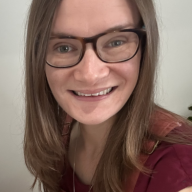
Outside Ethical Consumer she is an avid clothes maker. She made everything she is wearing in the photo. Her sewing machine, which she inherited from her nan, is 76 years old and still going strong.

Jenny also runs her own plastic-free online business, Anything But Plastic, which is a Community Best Buy.