

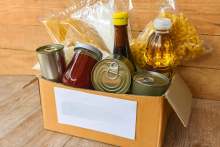
Find ethical alternatives to supermarkets, with guide to 15 brands of eco alternatives for buying food and household goods.
In this guide we rate 15 brands of alternatives to supermarkets. Many of these eco retailers are doing things differently so if you don't have a local independent wholefood shop, these shops may match your requirements.
Read more
The medjool date is known as the “King of Dates,” and in the run-up to Ramadan many people will be purchasing them.
In this guide we’ve covered the main brands selling dates in the UK, with a particular focus on those verified as selling dates sourced from Palestinian farms.
A third of dates in the UK come from Israel. We’ve highlighted brands that are definitely sourcing dates from Israel, which several Palestinian human rights campaign groups are calling for people to boycott.
Why buy Palestinian dates?
Palestinian dates are generally considered to be of very high quality.
But in addition to this, people might want to buy Palestinian produce to show support for Palestinian companies and farmers.
These producers have long been under pressure and faced for example land demolitions from the Israeli military. But since October 2023 the situation has escalated, with the Israeli state committing genocide against Palestinians in the Gaza Strip, while violence by Israeli settlers in the West Bank has greatly increased.
In the face of such atrocities it can be difficult to know how to show support, but buying produce from Palestine is one small way to take action.
Many dates in Palestine come from the Jordan Valley in the West Bank. Banana and citrus farms once thrived in this area, but Israel’s illegal occupation has diverted fresh water to Israeli settlements, curtailing the cultivation of these crops by Palestinian farmers.
But dates, in particular, medjool dates have continued to thrive in the region and are an important export.