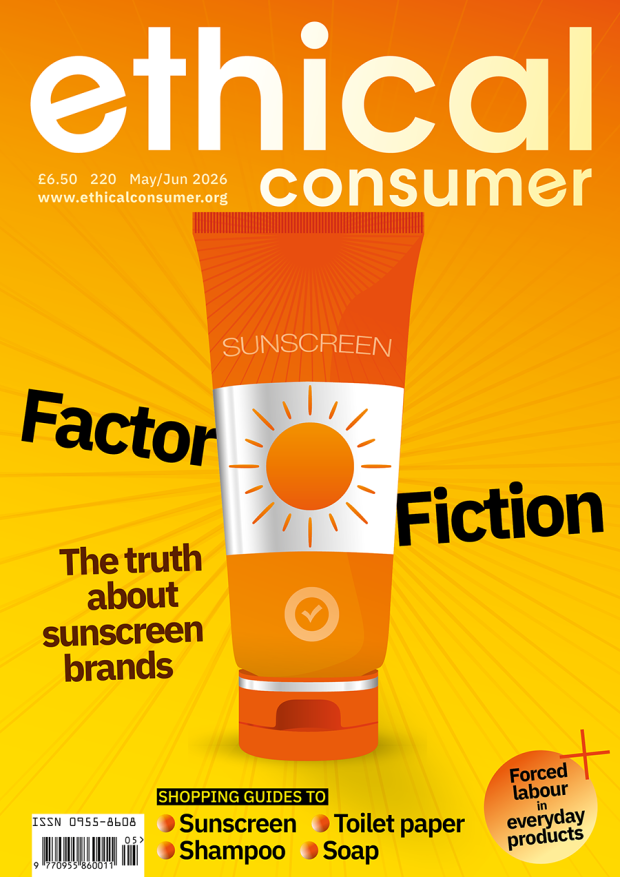
Ethical and eco-friendly sunscreen
Sunscreen has long been sold as a holiday essential, packed for beaches then forgotten by autumn. But consumer behaviour is changing. In 2024, UK suncare sales reached record levels despite fewer sunshine hours than the previous year, suggesting protection is becoming less seasonal and more habitual.
SPF is now increasingly embedded in daily routines, with foundations and tinted moisturisers containing SPF 25 and above growing modestly, while lower-protection makeup is losing its appeal.
The sunscreen aisle is no longer just about bronzed holidays or tanning oils. For many consumers sun protection is now framed as important for skincare, prevention, and long-term health.
Awareness of skin cancer risk, photoaging and year-round UV exposure has grown alongside scrutiny of ingredients and environmental impact.
In this guide we explore what this means in practice, unpacking ingredients, labelling, and access.
What and who are in this guide to sunscreen / sunblock?
This guide to sunscreen (also called sunblock or suncream), includes all the big brands you can find in high street chemists including brands like Avon, Garnier Ambre Solaire, Nivea, and Piz Buin, as well as own-brand products from companies like Boots and Superdrug.
We have also included and rated small and medium sized brands which can often be found in wholefood shops or online, including Tropic Skincare, JASON and Weleda.
With ratings out of 100 ranging from 17 to over 80 it's possible to buy ethical and eco-friendly sunscreen, with options to suit different budgets.
September 2026 UPDATE: The Neal's Yard SPF50 product that we originally included in the guide is discontinued. They have Wild Rose Moisturising SPF 30 and we included this post-publication instead. However, we have since found out that this product is currently out of stock, but we have been assured that this is only temporary and the moisturiser will be back in stock.