What does fair trade mean in the food industry?
The food industry is notorious for its poor workers’ rights record, including supermarkets. ‘Fair trade’ is used to indicate that workers and farmers are being respected in supply chains.
In many food sectors, from cocoa to tea, poverty is the key driver of workers’ rights violations, in part driven by the low prices paid for produce by major retailers around the world.
Fair trade products often tackle this by ensuring a minimum price is paid. This means that workers do not suffer if markets crash, and allows producers to move away from practices like use of child labour on farms.
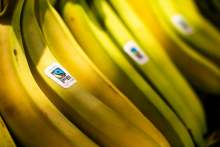
Many brands use fair trade certifications to indicate that they have met key criteria. These kinds of labels are common in the cocoa, fruit, sugar, tea, coffee and rice industries – amongst others. While far from solving all the issues these sectors face, such labels often represent the best options we have as consumers.
Looking for a trusted fair trade label is a positive step you can take towards supporting workers’ and farmers’ rights with your weekly shop. They make brands more accountable and indicate that at least some of the additional amount you may pay for fair trade products is contributing to better conditions.
Buying fair trade is a particularly important way to respect farmers who otherwise see such a tiny share of the final price. When we buy a chocolate bar, cup of coffee or other food product, those who process the raw ingredients will receive much more of that price than the farmers that grew them. Usually this manufacturing is done overseas, meaning that ingredients are exported from poor countries so that profits can be captured elsewhere.
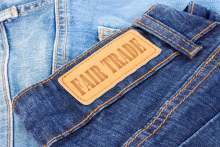
Unfortunately, however, fair trade is not a protected term, meaning that there is no set legal definition. (Compare this to, for example, organic, which can only be used in very strict circumstances.)
This means that the term has been open to greenwash, with a growing number of brands introducing their own worryingly weak ‘fair trade’ standards. Brands may also have one or two products labelled as fair trade while the rest are produced in really poor conditions.
Our shopping guides always highlight the best fair trade options, pointing you to brands and labels you can trust. By looking at issues like pay, trade policies and whether items are manufactured at source, Ethical Consumer can highlight those that are fair trade but don’t carry a label. Our ratings also look into the supply chains, and help consumers to know which companies are ensuring basic workers’ rights across their whole supply chains (rather than just for a handful of products).